
Between 17th and 21st November I took part in a visit to Sri Lanka under the Erasmus Programme.
Visit to the University of Kelaniya
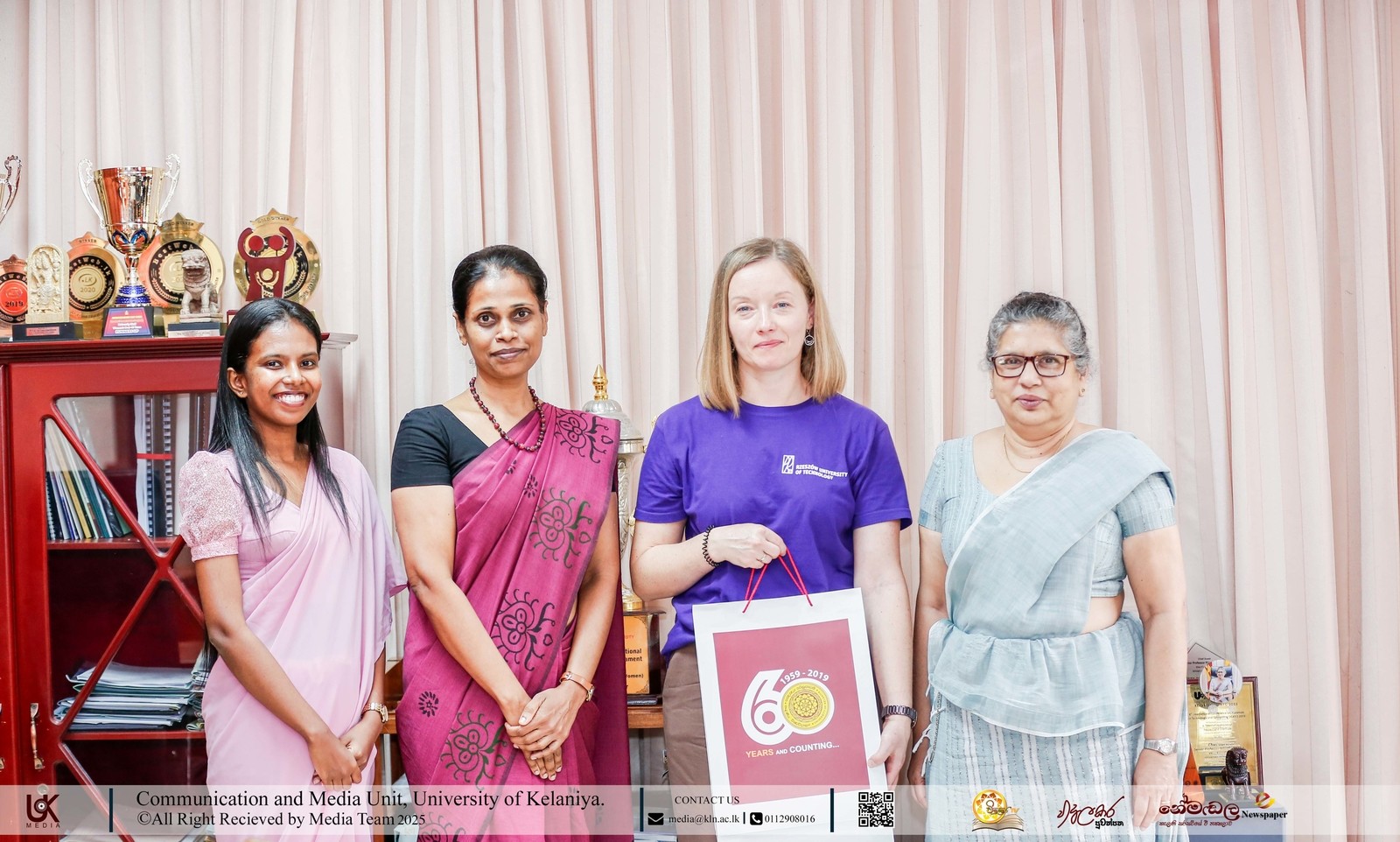
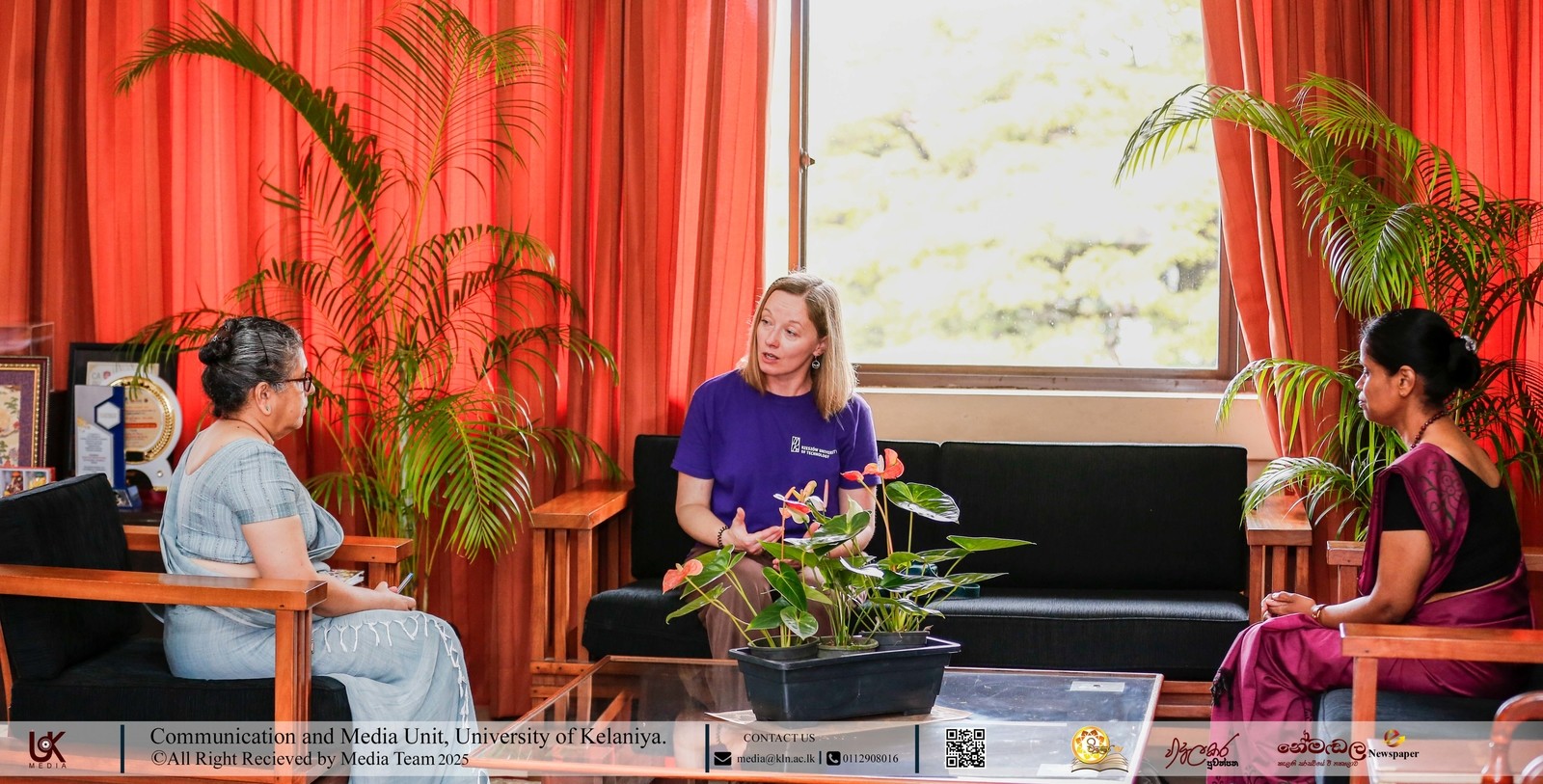
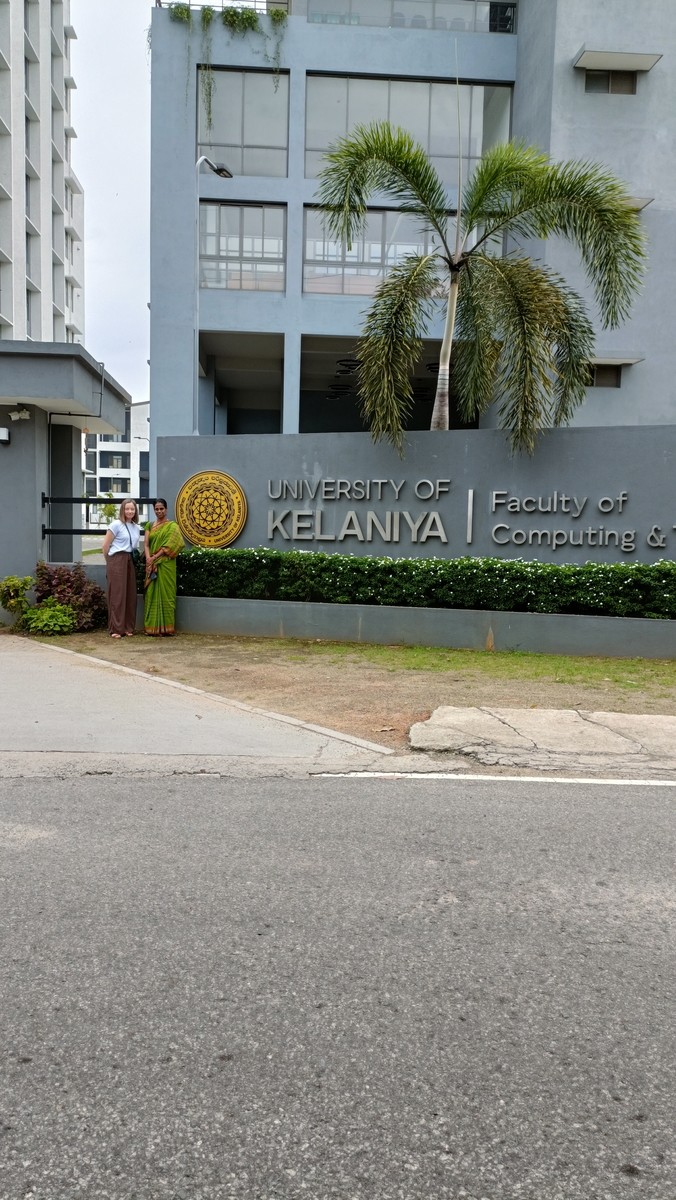
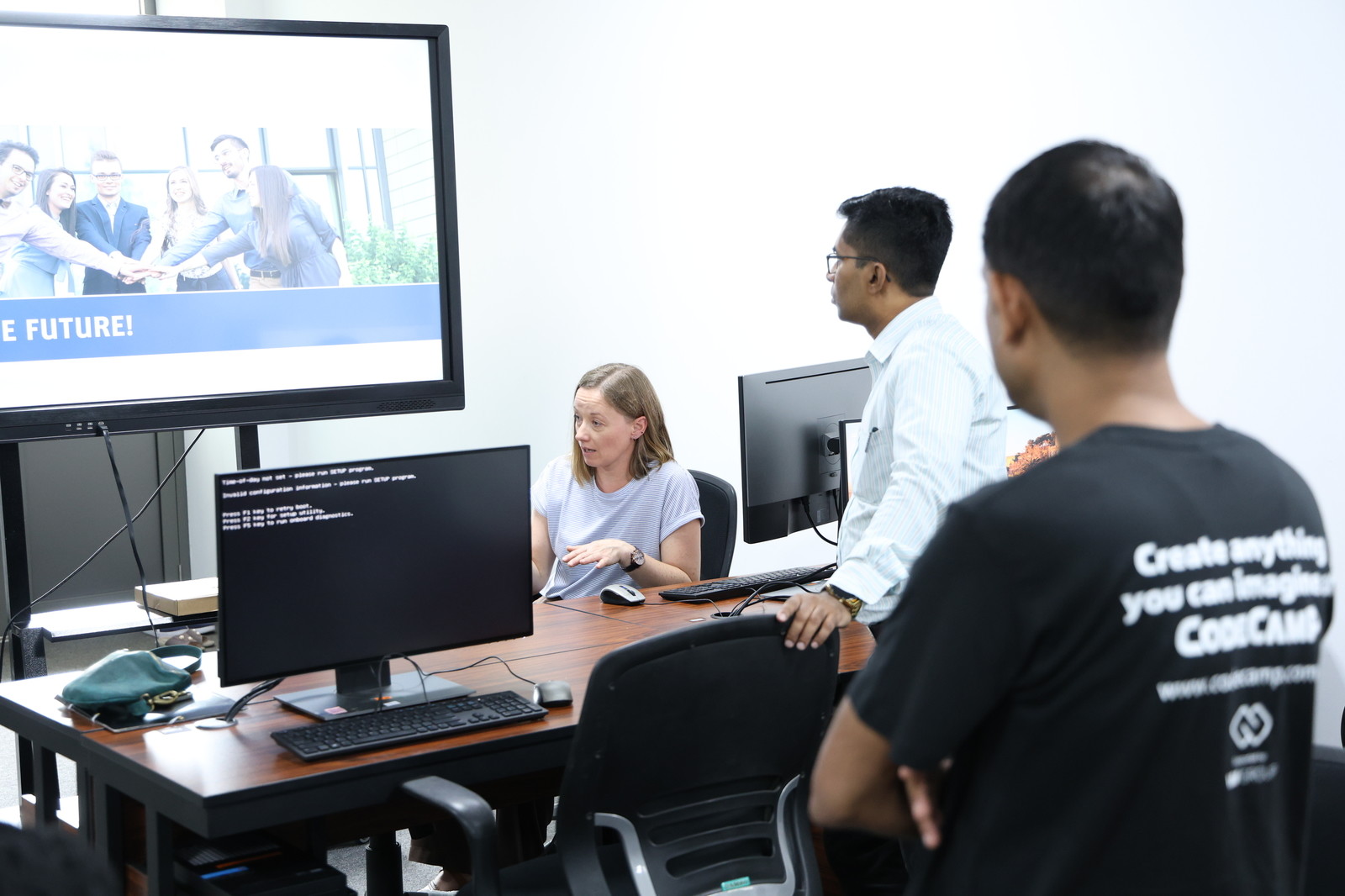
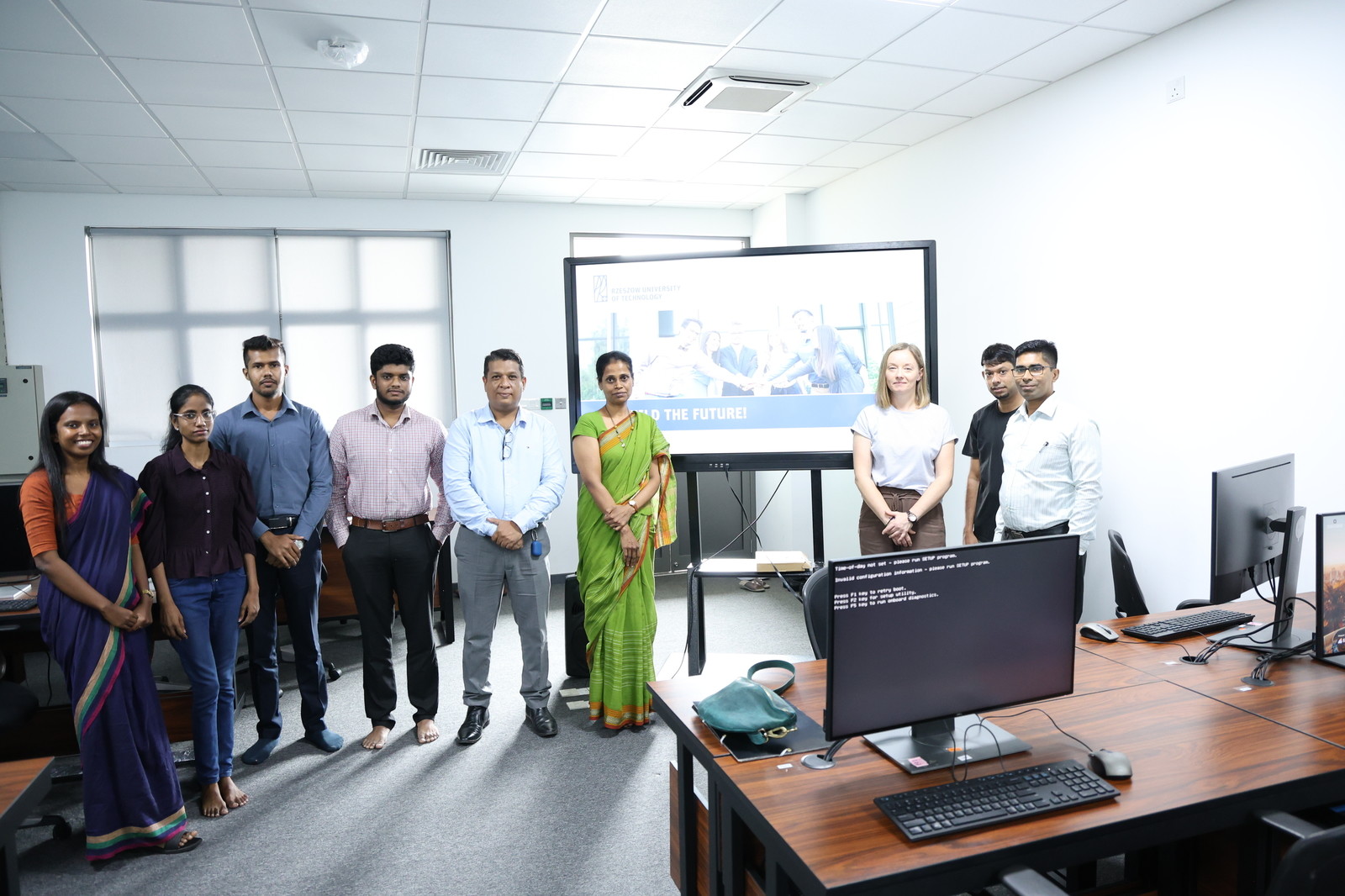
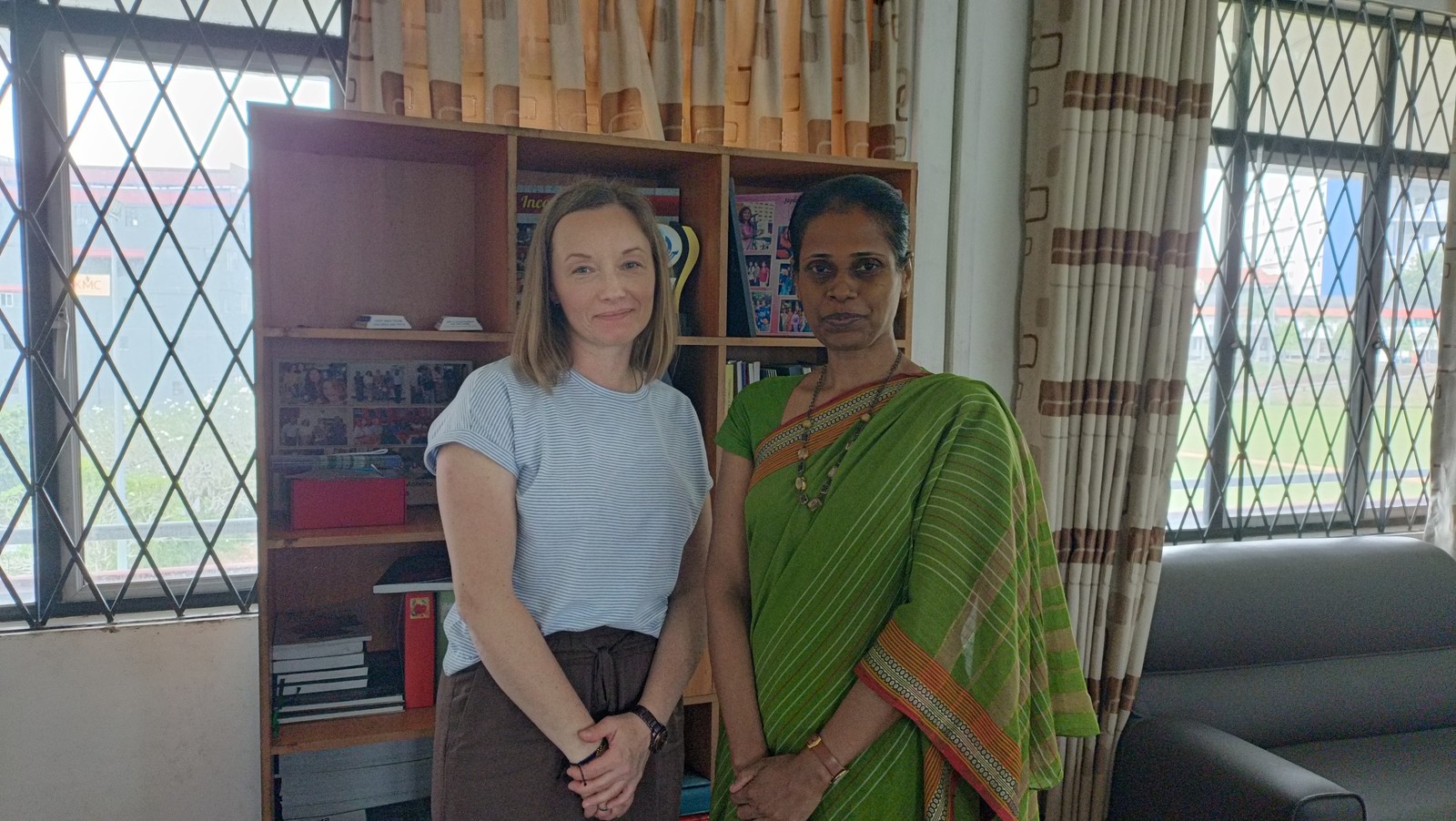
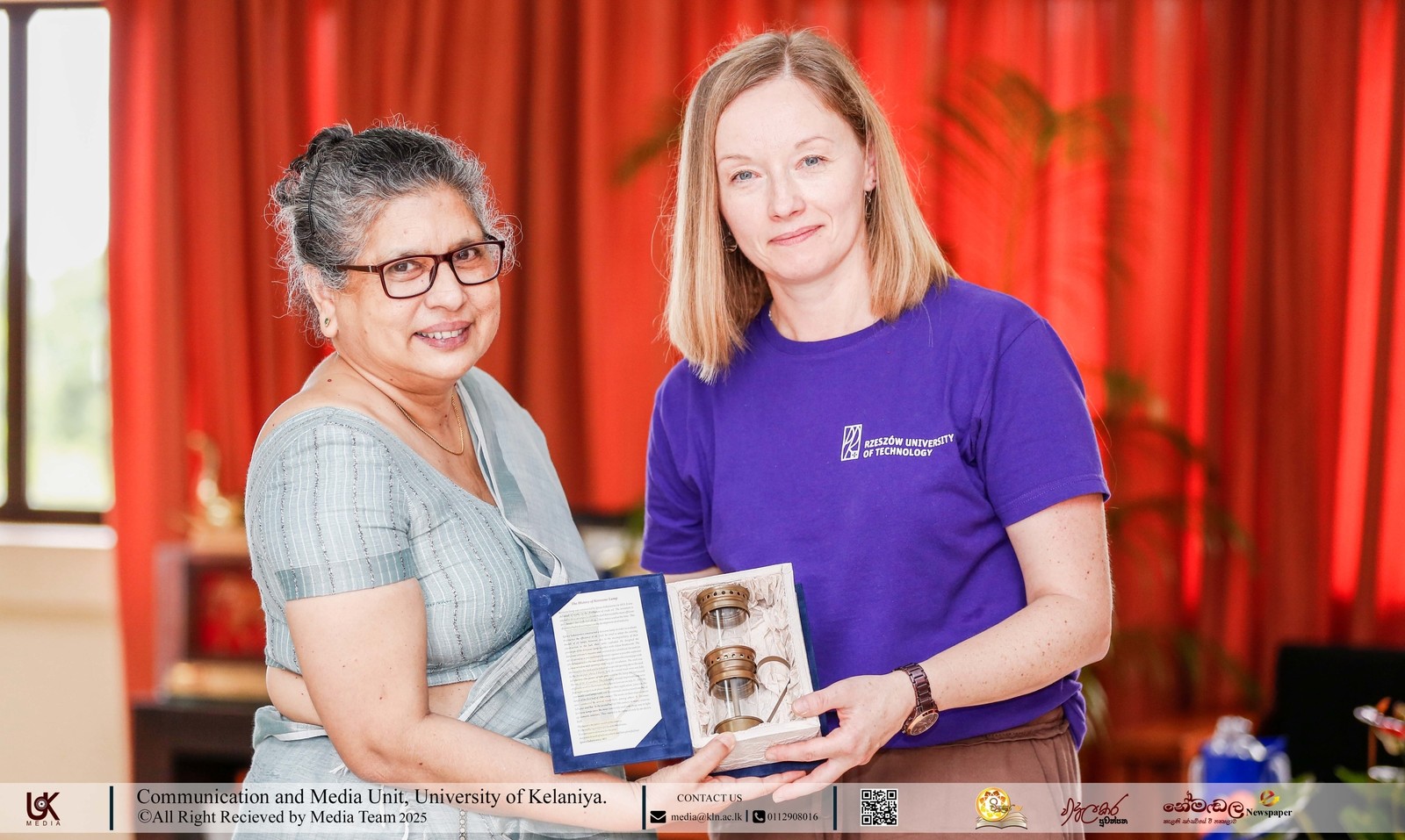
One of the goals of the visit was to establish contacts and partnership with a new partner university for collaboration – the University of Kelaniya. I began my visit with a meeting at the Centre for International Affairs. The centre primarily handles international delegations and prepares visa documentation for international students, primarily from India, China, and Vietnam. Since 2018, they have also collaborated with European universities from Poland, Estonia, France, Spain, and Portugal under the Erasmus Programme. In 2026 the university is launching a Horizon Europe project with a Greek university as coordinator, along with numerous other universities from four different continents. The university organizes annual Erasmus Days, during which program beneficiaries encourage participation in academic exchanges. The Director, Dr. Samanthi Jayawardena, presented the organizational structure, the university's research framework, and the scope of our international activities. We also discussed the scope of future collaboration, preferred types of mobility, and the goals we plan to achieve. In the following days, I visited the Faculty of Computing and Technology, presenting the university and discussing on project details. I was also invited to meet the Vice-Chancellor Professor Nilanthi de Silva, who expressed hope that the Erasmus mobility would be the beginning of scientific and research collaboration, assuring at the same time full involvement in preparing the application for the ICM proposal.
Regional Erasmus+ Week 2025 for Asia, the Middle East, and the Pacific
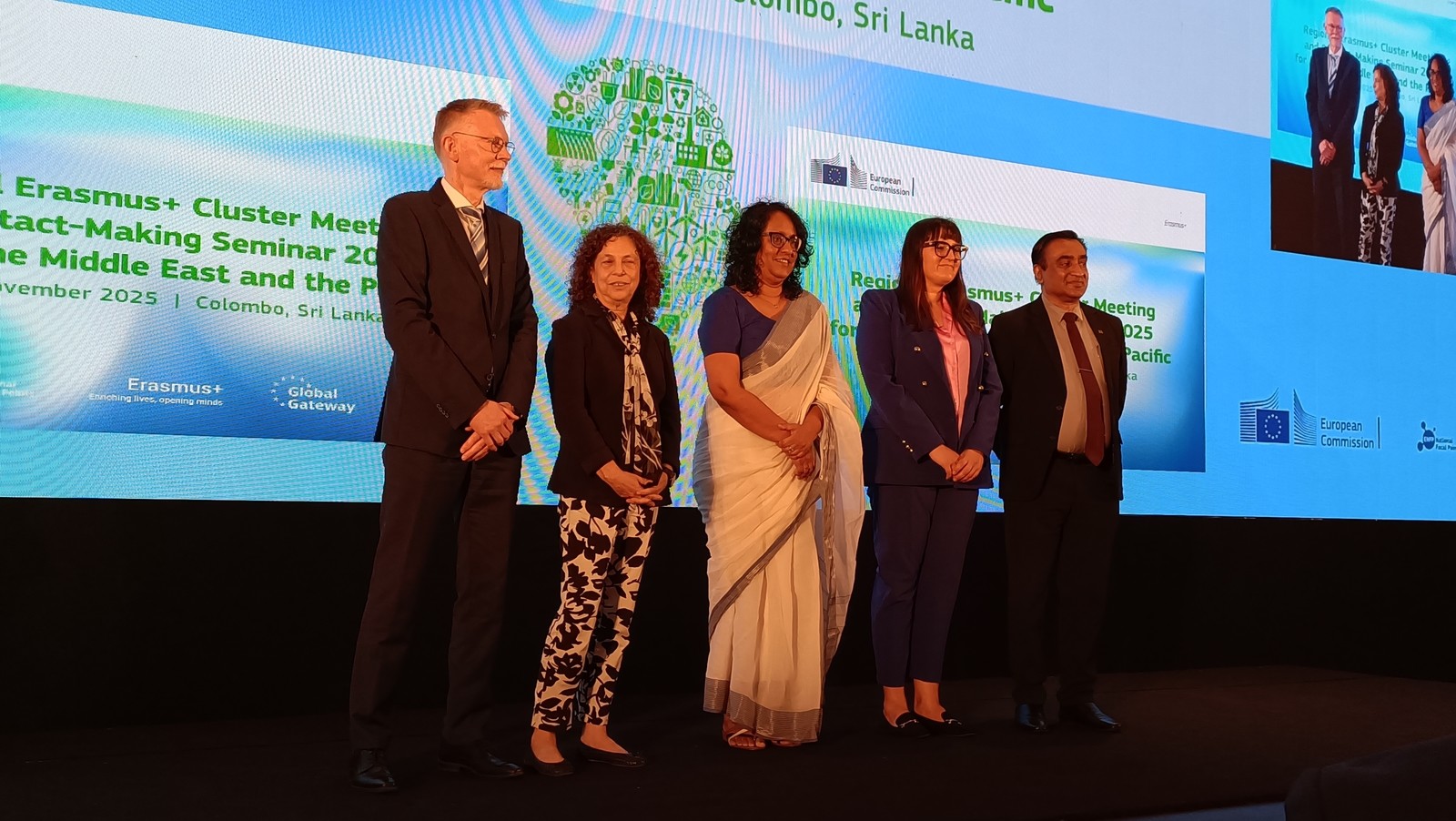
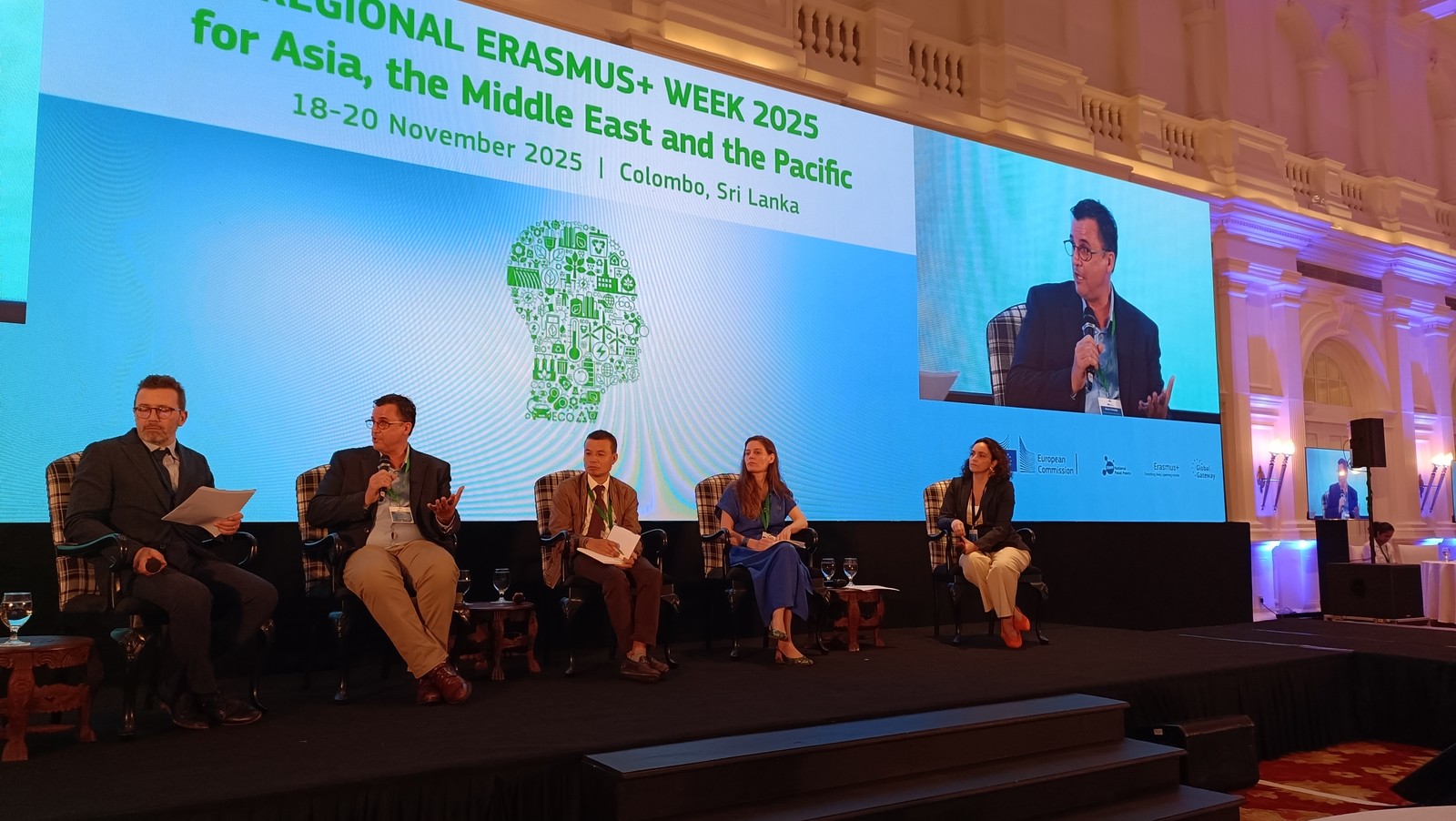
The next highlight of my visit to Sri Lanka was attending the Regional Erasmus+ Week 2025 for Asia, the Middle East, and the Pacific contact seminar, which leading theme was "The role of education in the green transition." The event was organized by the European Commission - Directorate General for Education, Youth, Sport, and Culture and the European Education and Culture Executive Agency (EC) and officially opened by the Prime Minister of Sri Lanka, Dr. Harini Amarasuriya. As a former academic, the Prime Minister understands the roles and needs of the education sector well. She pointed out the need to shift students' focus from a race for the best results and grades to one focused on knowledge sharing and broad-based collaboration. "Caring for the environment applies not only to households, local communities, and individual countries; it is a global responsibility shared by all of us," Dr. Amarasuriya concluded. Carmen Moreno, European Union Ambassador to Sri Lanka, also spoke about the activities of universities in Sri Lanka and the importance of their involvement in Erasmus. She emphasized the leading role of the European Union in changing society's attitudes toward ecology, and the importance of the education sector in promoting and driving green transformation.
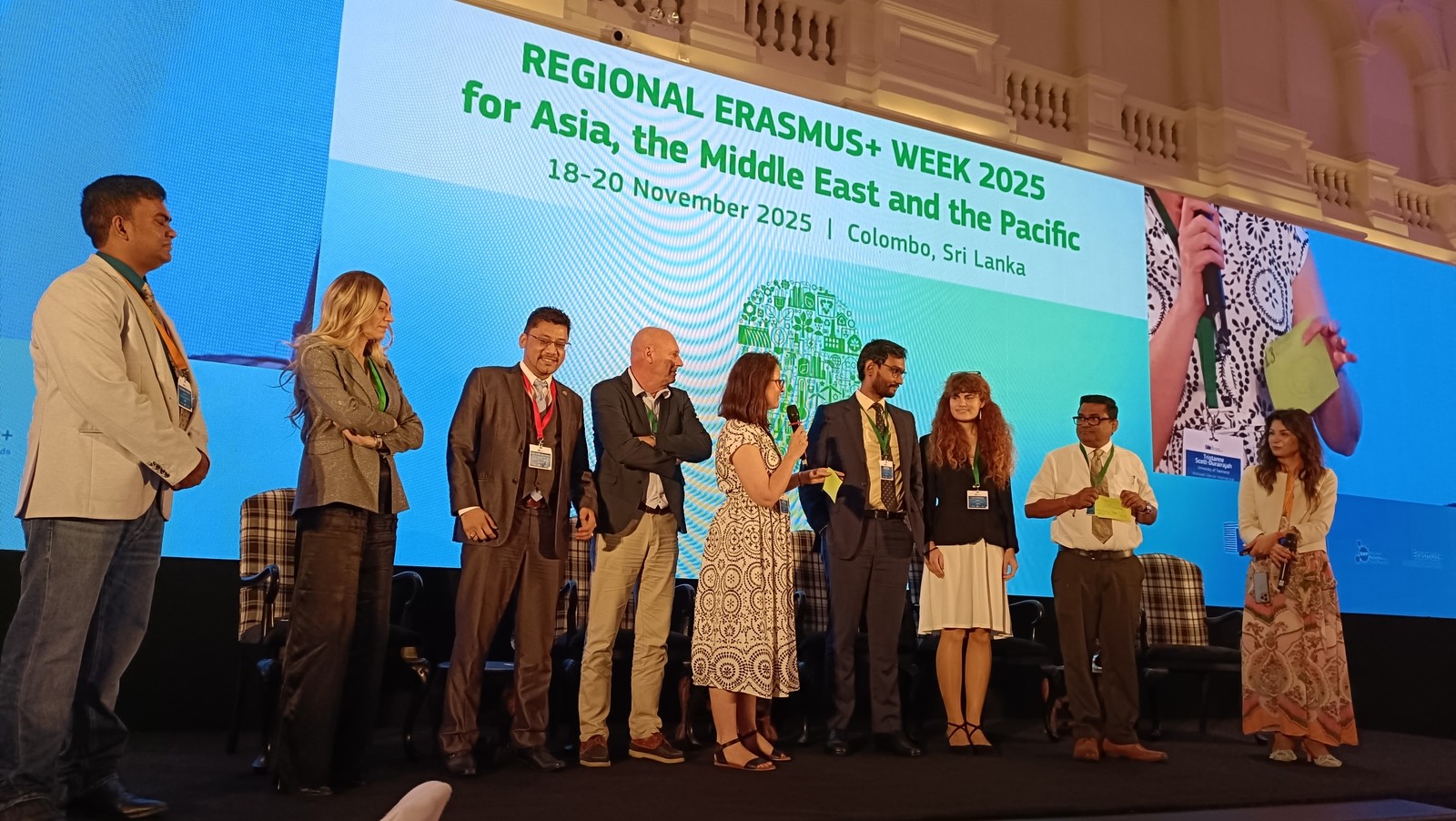
Subsequent panels hosted by EC members focused on presentations of Erasmus projects related to the green transition, implemented in associated and non-associated countries, including Australia (University of Canberra), Iraq (Erasmus+ National Focal Point), Malaysia (University of Malaysia), and Finland (University of Turku). The first day concluded with speed networking, which provided an excellent opportunity to establish numerous contacts with universities in Asian countries. The next day focused on ICM and Erasmus Mundus projects, Jean Monnet initiatives, and Capacity Building. Participants were given a task to complete, aiming to build partnerships within the task force, defining the project's objectives and the roles of individual institutions. The next step involved presenting project ideas and discussing them together. The second day of the event concluded with further examples of projects related to the green transition: PlantHealth, Access4all, and 21st Teach Skill.